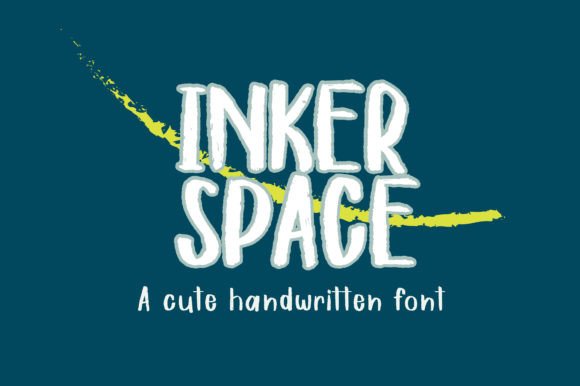
Thankful Heart: A Handwritten Font for Authentic Brand Identity
In the world of small business, first impressions are everything. When a customer sees your logo, reads your product label, or scrolls through your Instagram feed, they are making a split-second decision about whether to trust you. As an entrepreneur who has spent years refining my brand’s visual language, I have learned that typography is not just about picking a "pretty" font; it is about communicating personality before a single word is read. This is where Thankful Heart comes in. It is a sans-serif handwritten font that bridges the gap between professional polish and personal warmth, making it an invaluable asset for modern branding.
Understanding the Personality of Thankful Heart
Thankful Heart is more than just a typeface; it is a mood. Classified under the Script Handwritten category, this font captures the essence of genuine human connection. Unlike rigid, geometric sans-serifs that can feel cold or corporate, Thankful Heart offers organic curves and subtle imperfections that mimic natural handwriting. However, unlike overly decorative calligraphy fonts that can be difficult to read, its sans-serif structure ensures clarity. The result is a creative font that feels approachable, trustworthy, and sincere.
The visual appeal of Thankful Heart lies in its balance. It does not scream for attention with excessive flourishes, nor does it whisper so softly that it gets lost. Instead, it speaks with a calm confidence. For boutique owners, café operators, and handmade product sellers, this specific tone is crucial. It suggests that behind the business is a real person who cares about quality and authenticity. When you use Thankful Heart in your designs, you are subtly signaling to your audience that your brand values transparency and heartfelt service.
Real-World Applications for Small Businesses
One of the biggest challenges for entrepreneurs is maintaining consistency across multiple touchpoints. You need your brand to look cohesive whether a customer is viewing a digital ad, holding a physical package, or visiting your website. Thankful Heart excels in these varied environments because of its versatility. Here is how I recommend integrating this font into your daily business operations:
- Packaging Design and Product Labels: If you sell handmade candles, skincare, or baked goods, your packaging is your silent salesperson. Using Thankful Heart for the product name or key features adds a premium, artisanal feel. It looks excellent on minimalist kraft paper labels or sleek glass jars, instantly elevating the perceived value of your item.
- Social Media Graphics: In the crowded space of Instagram and Pinterest, text overlays need to stand out without being jarring. Thankful Heart works beautifully as a display font for quotes, promotional announcements, or event details. Its handwritten style breaks up the monotony of standard square posts, inviting users to pause and engage.
- Customer-Facing Materials: Nothing builds loyalty like a personal touch. Thankful Heart is ideal for thank-you cards included in shipments, custom stickers, or welcome packets for new clients. Seeing your message written in a font that resembles a personal note fosters a deeper emotional connection with your customers.
- Digital Marketing Assets: Whether you are designing email headers, website banners, or Facebook ads, Thankful Heart helps humanize your digital presence. It softens the edges of digital marketing, making your calls to action feel like invitations rather than demands.
Building a Professional and Recognizable Brand
Consistency is the backbone of a strong brand identity. When you use the same premium font across all your materials—from your business cards to your website—you create a visual rhythm that customers begin to recognize instinctively. Thankful Heart contributes to this recognition by providing a distinct stylistic anchor. Because it is a unique script font, it stands out against the sea of generic Arial or Helvetica often seen in small business design.
However, using a distinctive font requires strategy. To ensure your brand looks professional rather than chaotic, you must understand when to let Thankful Heart shine and when to step back. It is best used as a headline or accent font. For body text, such as detailed product descriptions or terms and conditions, it is too stylized for comfortable reading. By reserving Thankful Heart for titles, logos, and short phrases, you maintain readability while maximizing impact. This selective usage tells your audience that you are thoughtful and detail-oriented, traits that build long-term trust.
Practical Font Pairing Strategies
A common mistake I see among new entrepreneurs is using only one font for everything. This can make a brand feel incomplete or unbalanced. The secret to sophisticated design is pairing. Since Thankful Heart is a creative, expressive typeface, it pairs exceptionally well with clean, neutral typefaces that provide stability.
I recommend pairing Thankful Heart with a simple sans serif font for body copy. The contrast between the handwritten elegance of the header and the straightforward clarity of the sans serif creates a modern typography hierarchy that is easy on the eyes. Alternatively, if your brand leans towards a more classic or rustic aesthetic, pairing it with a readable serif font can add a layer of timeless sophistication. For example, a bakery might use Thankful Heart for its logo and menu headers, paired with a clean sans serif for ingredient lists, creating a look that is both warm and organized.
Readability and Technical Considerations
As a business owner, you must test your fonts in real-world scenarios. A font that looks beautiful on a large desktop monitor may become illegible when shrunk down for a mobile screen or printed on a tiny sticker. Thankful Heart is designed with legibility in mind, but context matters. Always preview your designs at the size they will actually appear. Check how Thankful Heart performs on dark backgrounds versus light backgrounds, and ensure there is sufficient contrast. Poor readability can frustrate customers and obscure your message, undermining the professional image you are trying to build.
Furthermore, consider the medium. Printed materials require higher resolution files to avoid pixelation, especially if you are using thin strokes in the font. Digital assets should be optimized for fast loading times without sacrificing sharpness. By paying attention to these technical details, you ensure that Thankful Heart always presents your brand in the best possible light.
Licensing and Commercial Use
Before incorporating Thankful Heart into your commercial projects, it is essential to review the licensing agreement. Fonts are intellectual property, and using them correctly protects your business from legal issues. Most premium fonts offer different licenses for personal use versus commercial use. If you plan to use Thankful Heart on products you sell, packaging, merchandise, or client work, you will likely need a commercial license. Some fonts also have restrictions on embedding in apps or distributing as part of digital downloads. Taking the time to understand these terms ensures that your branding efforts are sustainable and legally sound. Investing in proper licensing is a small price to pay for peace of mind and professional integrity.
Final Thoughts on Integration
Integrating Thankful Heart into your brand is not just about changing a font; it is about refining how you communicate with your audience. It allows you to inject warmth and personality into every interaction, from the moment a customer sees your ad to the moment they unbox your product. By using this script handwritten font strategically, alongside complementary typefaces and careful attention to detail, you create a brand experience that feels authentic, professional, and memorable. In a market saturated with noise, letting your brand speak with a genuine voice can be the difference between being overlooked and being chosen.